
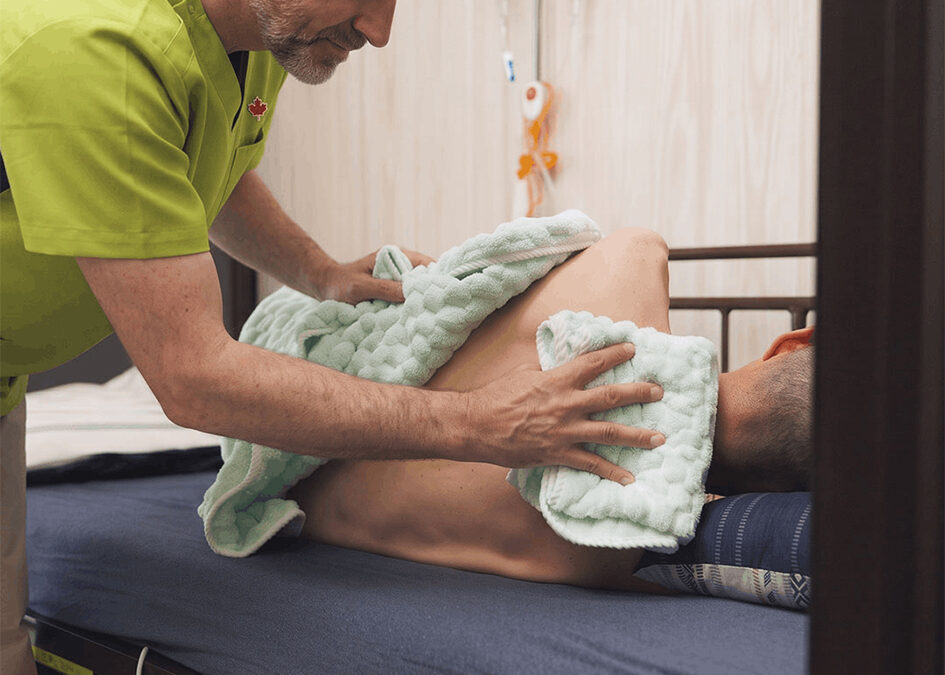
Pressure ulcers are localized injuries to the skin and underlying tissue, usually caused by prolonged pressure, shear, or a combination of both. They often develop over bony areas such as the tailbone, hips, heels, ankles, and shoulder blades. For someone living with a spinal cord injury, the risk is higher because reduced sensation, limited mobility, muscle changes, and autonomic dysfunction can make it harder to feel or respond to early skin stress.
For family caregivers, prevention can feel relentless. Turning schedules, skin checks, bedding changes, nutrition, equipment, transfers, toileting, and appointments can all fall on the same person. That workload matters because caregiver burnout can make even a strong care plan harder to follow consistently.
At 1A Advanced Home Health & Nursing Care, we recognize that skin protection after a spinal cord injury is not just basic home care. Neurogenic skin management and pressure ulcer staging can require professional, RN-supervised clinical oversight, especially when early skin changes appear or when family caregivers are unsure what they are seeing.
Daily Care Practices to Prevent Pressure Ulcers in Spinal Cord Injury Patients
A steady routine gives caregivers a framework, but it needs to be realistic. Prevention works best when family caregivers know what to watch for, when to escalate concerns, and where professional nursing support fits into the home care plan.
The following strategies can reduce risk while helping caregivers avoid carrying complex clinical decisions alone.
Regular Repositioning and Pressure Relief
Skin breakdown can begin when pressure stays concentrated in one area for too long. After a spinal cord injury, a person may not feel the discomfort that would normally trigger them to shift their weight. That missing warning signal is one reason bed sores can progress before anyone realizes how serious the problem has become.
Repositioning schedules should reflect the person’s mobility, seating, mattress, skin history, and nursing care plan. RNAO’s pressure injury guideline references repositioning at-risk people every two to four hours as part of prevention guidance, though individual needs may vary.
Pillows, heel protectors, foam wedges, and other supports can help reduce direct pressure on vulnerable areas. A shared written schedule can also reduce caregiver fatigue by making the routine visible, especially when multiple family members or home care providers are involved.
Skin Inspection and Early Detection
Daily skin checks are one of the most practical ways to catch early warning signs. Look for redness, swelling, warmth, firmness, darker or lighter discolouration, blisters, open areas, or skin that does not return to its normal colour after pressure is relieved.
Caregivers should pay close attention to the heels, hips, tailbone, buttocks, ankles, elbows, and shoulder blades. Wheelchair users also need careful checks around the sitting bones and lower back.
A small change can be difficult to interpret at home. Pressure injury staging is a clinical process, not something family caregivers should be expected to manage independently. Injuries may present as intact skin or open ulcers, depending on the extent of tissue involvement. Documenting what you see, including the location, colour, size, and timing, gives a nurse or healthcare provider clearer information for assessment.
Maintaining Proper Hygiene and Skin Care
Clean, dry skin is better able to tolerate pressure and friction. Moisture from sweat, urine, stool, or wound drainage can weaken the skin barrier and increase irritation, especially when a person spends long periods in bed or seated.
Use gentle cleansing, careful drying, and skin care products recommended by a healthcare professional. Avoid scrubbing fragile areas. Bedding, clothing, and incontinence products should be checked regularly so that dampness, wrinkles, seams, or bunching do not create extra pressure or shear.
For caregivers already stretched thin, hygiene routines can become physically and emotionally draining. Professional home nursing support can help identify where the routine needs adjustment, rather than leaving families to troubleshoot recurring skin irritation on their own.
Nutrition and Hydration Support
Skin depends on adequate nutrition to stay strong and support healing. Protein, fluids, vitamins, minerals, and enough calories all play a role in tissue health. Poor appetite, weight loss, dehydration, or slow-healing skin can increase concern.
Caregivers can watch for dry mouth, reduced urine output, fatigue, weight changes, or worsening skin condition. A nurse, physician, or dietitian can help determine whether the person needs a more specific nutrition plan based on their medical history, medications, swallowing ability, and wound risk.
Using Support Surfaces and Equipment
Specialized mattresses, wheelchair cushions, overlays, and heel offloading devices can reduce pressure and improve comfort. People with reduced ability to feel pressure, including those with spinal cord injuries, need pressure-relieving strategies to help prevent skin breakdown.
Equipment only helps when it is appropriate and used correctly. A cushion that is worn out, poorly fitted, underinflated, overinflated, or covered with the wrong material may not provide the intended protection. A professional assessment can help determine which support surfaces match the person’s risk level, posture, mobility, and daily routine.
Encouraging Safe Mobility and Activity
Movement supports circulation and reduces the time any one area spends under pressure. Depending on ability, this may involve assisted range-of-motion exercises, supported transfers, seated balance work, or pressure-relief techniques in a wheelchair.
Activity should be adapted to the person’s safety needs. A therapist or nurse can help caregivers understand what is safe, what should be avoided, and how mobility routines can fit into the broader prevention plan.
When to Seek Professional Nursing Support for Pressure Ulcer Prevention
Professional nursing support is needed when redness or discolouration does not fade after pressure relief, skin opens, blisters appear, drainage develops, swelling increases, odour is present, or the person has a fever or worsening discomfort. Concerns should also be escalated when caregivers are unsure how to position the person, manage incontinence-related skin irritation, or use pressure-relieving equipment.
RN-supervised care can support prevention planning, skin monitoring, caregiver education, wound documentation, equipment recommendations, and communication with other healthcare providers.
Early oversight can reduce the chance that a manageable skin concern becomes a more serious wound.
Protecting Skin Health with Consistent Pressure Ulcer Prevention
Preventing pressure ulcers at home requires consistent routines, careful skin checks, safe positioning, proper hygiene, nutritional support, appropriate equipment, and timely professional guidance. For family caregivers supporting someone with a spinal cord injury, the work can be physically and emotionally demanding. Clinical oversight can help protect the patient’s skin while giving caregivers clearer direction and support.
1A Advanced Home Health & Nursing Care provides professional nursing care services for families who need help with prevention, monitoring, and home care routines.
Reach out to 1A Advanced Home Health & Nursing Care today at (236)-616-0007, email us at nurse@advancedhomehealth.ca or click here to get in touch online.
Frequently Asked Questions About Pressure Ulcer Prevention
How often should a patient be repositioned to prevent pressure ulcers?
Many care plans use repositioning every two to four hours for at-risk patients, but timing depends on the person’s mobility, skin condition, support surface, comfort, and professional care plan. Consistency is essential, especially when reduced sensation makes it harder for the person to feel pressure building.
What are the first signs of a pressure ulcer?
Early signs may include redness, warmth, swelling, firmness, darker or lighter discolouration, blistering, or skin that does not return to its usual colour after pressure is relieved. High-risk areas such as the heels, hips, tailbone, buttocks, and ankles should be checked daily.
Can pressure ulcers be completely prevented at home?
Risk can often be reduced significantly with proper routines, equipment, nutrition, skin care, and professional guidance. Some people remain at higher risk because of immobility, reduced sensation, incontinence, poor nutrition, previous wounds, or complex medical needs.
What type of mattress is best for preventing bed sores?
Pressure-relieving mattresses, overlays, and cushions can help redistribute pressure. The best option depends on the person’s risk level, weight, posture, mobility, skin condition, and time spent in bed or seated. A healthcare professional can recommend appropriate equipment and check whether it is being used correctly.
When should a caregiver contact a healthcare professional?
A caregiver should contact a healthcare professional if skin redness or discolouration does not fade, the skin opens, blisters form, drainage appears, swelling increases, an odour develops, or a fever occurs. Care should not be delayed when skin breakdown is suspected, especially after a spinal cord injury.